Protect your cars investment By oxidation removal
Car Paint Oxidation Removal That Protects Value
Car paint oxidation removal restores faded color and gloss, helping protect your vehicle from UV damage, road film, and harsh Ohio weather all year long.
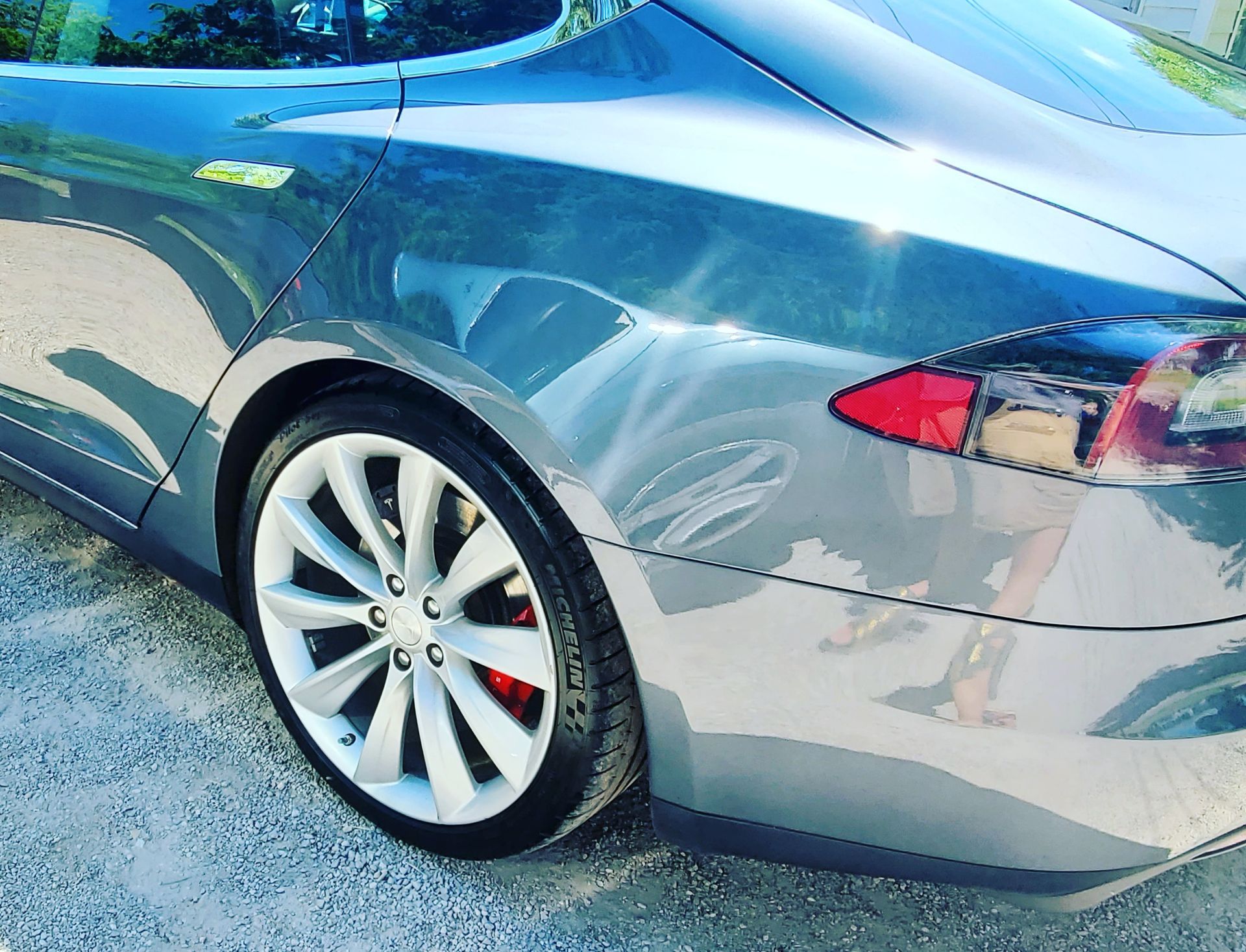
A vehicle can be clean and still look tired. When the paint feels rough, the color appears chalky, or a once-deep finish has turned dull in the sun, the issue may be oxidation rather than ordinary dirt. Professional car paint oxidation removal addresses the damaged, weathered surface layer so the true color and clarity beneath it can return.
For Northeast Ohio vehicle owners, oxidation is more than a cosmetic concern. UV exposure, changing temperatures, road film, industrial fallout, tree sap, bird droppings, and winter contaminants all take a toll over time. Addressing fading early can preserve the paint, improve resale appeal, and keep a vehicle looking properly cared for.
What Paint Oxidation Looks and Feels Like
Automotive paint is designed to protect the vehicle while delivering color and gloss. Over time, the clear coat can break down at the surface. As it loses oils and clarity, it reflects light unevenly. That is why oxidized paint often looks flat, hazy, or faded, particularly on horizontal panels such as the hood, roof, and trunk.
Dark-colored vehicles may lose their depth and appear gray in direct sunlight. Red paint can take on a pink or cloudy look. White vehicles may seem yellowed or dull, even after a thorough wash. In more advanced cases, the surface can feel dry or chalky to the touch.
Oxidation is often confused with embedded contamination or light scratches. Those issues can exist at the same time, but they require different treatment. A proper inspection matters because polishing a contaminated surface without decontaminating it first can create unnecessary marring. Likewise, aggressively polishing paint that has already lost significant clear coat can do more harm than good.
Why Washing and Waxing Cannot Always Fix It
A quality wash removes surface dirt, salt, and loose grime. Wax can improve gloss temporarily and add a protective layer. Neither service, however, removes the compromised paint surface responsible for moderate or severe oxidation.
A glaze or heavily filled wax may make faded paint look better for a short time by masking defects. Once that product wears away, the dullness returns. This can be frustrating for owners who have spent time maintaining their vehicles but never see the finish truly recover.
Car paint oxidation removal relies on [controlled paint correction](https://www.carbuffinc.com/services/automotive/paint-correction). The goal is to remove only the minimum amount of damaged clear coat needed to refine the finish. The right approach depends on paint condition, paint thickness, panel history, color, and the level of correction the vehicle can safely receive. There is no responsible one-product answer for every vehicle.
The Professional Process for Car Paint Oxidation Removal
A durable result begins well before polishing. First, the exterior is thoroughly washed to remove loose dirt and road residue. The paint is then decontaminated to remove bonded particles that washing alone cannot lift. Iron deposits, brake dust, overspray, and road grime can all interfere with a clean correction process.
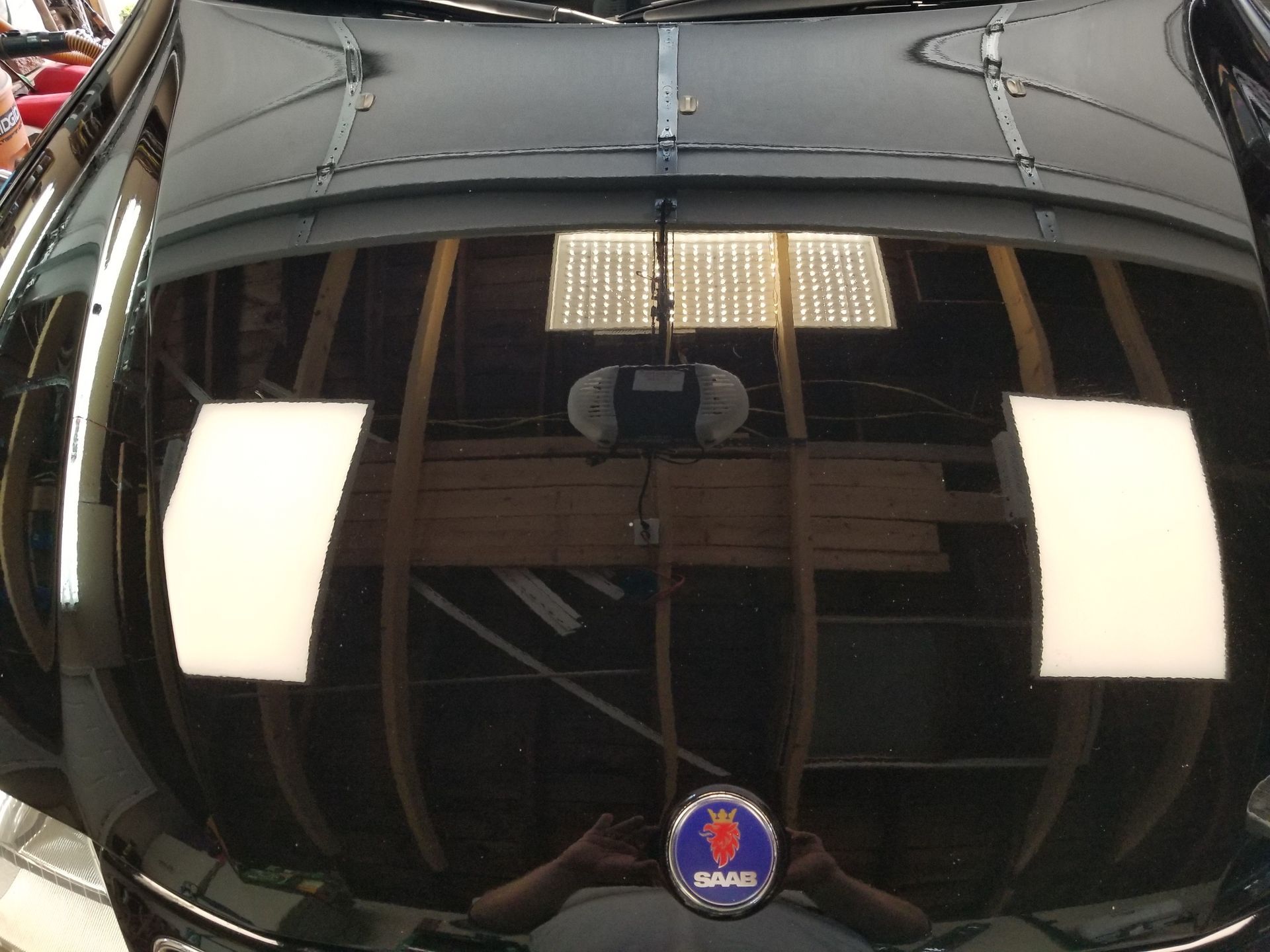
Next comes a close inspection under proper lighting. This reveals oxidation, swirl marks, scratches, water spotting, and previous repair work that may not be visible in a driveway. Paint thickness readings may also be appropriate when the finish is heavily weathered or there is reason to suspect prior repainting.
The correction stage uses professional compounds, polishes, pads, and machine techniques selected for the paint at hand. A heavier-cut combination may be needed to remove substantial oxidation, followed by a refining polish to restore clarity and gloss. On a vehicle with lighter dullness, a less aggressive polish may provide the right improvement while preserving more of the clear coat.
The finish is then carefully wiped down and inspected again. This step confirms that the improvement comes from true correction rather than oils or fillers left behind by a product. It is the difference between a brief shine and a finish that looks consistently better in sun, shade, and garage lighting.
When Oxidation Can Be Corrected and When It Cannot
Many vehicles with faded paint respond extremely well to professional polishing. A neglected hood or roof can often regain a surprising amount of color, reflection, and smoothness. The earlier oxidation is addressed, the more options there usually are.
There is a limit, though. If the clear coat has failed, peeling, cracking, or missing in spots, polishing cannot rebuild it. Clear-coat failure requires repainting to restore a lasting finish. Attempting to polish through failing clear coat only accelerates the problem and can leave the panel looking worse.
This is why an honest assessment is valuable. The right service is not always the most aggressive service. In some cases, a conservative enhancement is the best way to improve appearance while protecting the remaining paint. In others, a more complete correction is appropriate before adding long-term protection.
Protect the Restored Finish From Ohio Conditions
Correcting oxidation without protecting the paint leaves it exposed to the same conditions that caused the dullness in the first place. Once the finish is polished, it should receive a quality protective product suited to how the vehicle is used and stored.
A traditional wax can be a practical choice for owners who enjoy frequent maintenance and want a warm gloss. Paint sealants generally offer longer-lasting protection with less frequent application. [Ceramic coatings](https://www.carbuffinc.com/services/automotive/ceramic-coating) provide a more durable protective layer, enhanced gloss, easier cleaning, and stronger resistance to UV exposure, road film, and chemical contaminants. A coating is not a force field, but it can make proper upkeep far more manageable.
For daily drivers in Portage and Summit counties, winter preparation is especially worthwhile. Salt brine, slush, and road grime can cling to lower panels and behind wheels. Regular washing, including the wheel wells and rocker panels, helps prevent buildup. During warmer months, prompt removal of bug residue, bird droppings, and tree sap helps protect the corrected surface from etching and staining.
Parking in a garage or under cover when possible also reduces sun exposure. If outdoor parking is unavoidable, regular maintenance and an established protective layer become even more valuable.
DIY Products Have a Place, but Know the Trade-Offs
Consumer polishes and oxidation-removal products can help with very light dullness. They can be a reasonable option for an older work vehicle or for an owner comfortable maintaining a finish that is otherwise in good condition. The trade-off is that hand application often provides limited correction, and stronger retail compounds can be used too aggressively without the right technique.
Avoid using household abrasives, harsh cleaners, or improvised tools on automotive paint. They may create scratches, uneven gloss, or permanent damage. Wet sanding is especially risky without paint measurements, experience, and a clear understanding of the condition of the clear coat.
If the paint is visibly chalky, heavily faded, scratched, or unknown due to prior repairs, professional evaluation is the safer investment. It can prevent a temporary do-it-yourself fix from becoming a paint shop expense.
A Better Finish Starts With the Right Assessment
Oxidized paint does not always mean a vehicle is beyond saving. With careful preparation, measured correction, and proper protection, many faded finishes can be brought back to a noticeably richer, cleaner, showroom-ready appearance.
Car Buff Auto Detailing approaches every vehicle one at a time, using commercial-grade products and experienced paint-correction methods to pursue the best safe result for the finish in front of us. Whether it is a daily driver, collector vehicle, truck, [RV, boat, or UTV](https://www.carbuffinc.com/services/automotive/rv--marine--utv-detailing-corrections-and-coating), the first step is determining what the paint needs and what it can responsibly receive. A professional estimate gives you a clear path forward, along with protection that helps the renewed finish stay that way.